 With
the comedown of the Ali Pasha Sherif stud at the end of the 19th
century a glorious age of private Egyptian horse breeding ended. Economical
circumstances or death were mostly reasons for closing the studs. Some of the
horses were sold to Americans or Europeans but a large majority remained in
Egypt and was sold to members of the Royal family or members of Egypt’s upper
class. But the horses were geographically dispersed and distributed among many
different owners, which was endangering the breed as a whole. The government
was aware of this risk and had an increased need of horses for the police and
army at the same time. With
the comedown of the Ali Pasha Sherif stud at the end of the 19th
century a glorious age of private Egyptian horse breeding ended. Economical
circumstances or death were mostly reasons for closing the studs. Some of the
horses were sold to Americans or Europeans but a large majority remained in
Egypt and was sold to members of the Royal family or members of Egypt’s upper
class. But the horses were geographically dispersed and distributed among many
different owners, which was endangering the breed as a whole. The government
was aware of this risk and had an increased need of horses for the police and
army at the same time.
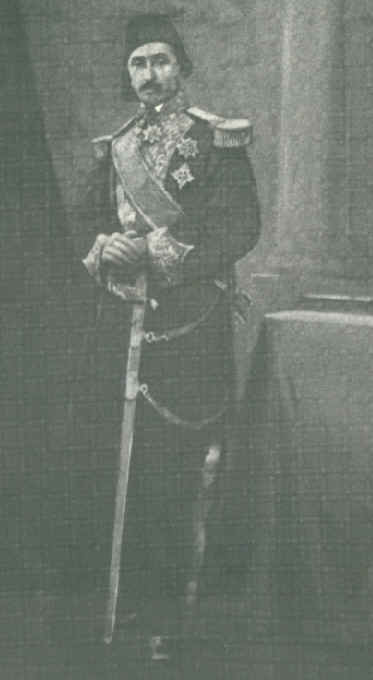
left: Ali Pasha Sherif was one of the last major preservers of the Arabian horse in Egypt at the end of the 19th century. |
|
|
This was the beginning of the “Royal Agricultural Society”, founded 1908 under the patronage of King Fouad. The Royal Agricultural Society was the predecessor of the still existing “Egyptian Agricultural Organization” with the famous El Zahraa Stud. For its foundation, members of the Royal family handed over to the Society a selected group of mares and in 1918 the breeding stock has been enlarged through additional imports form the Crabbet Stud in England.
|
|
|
|
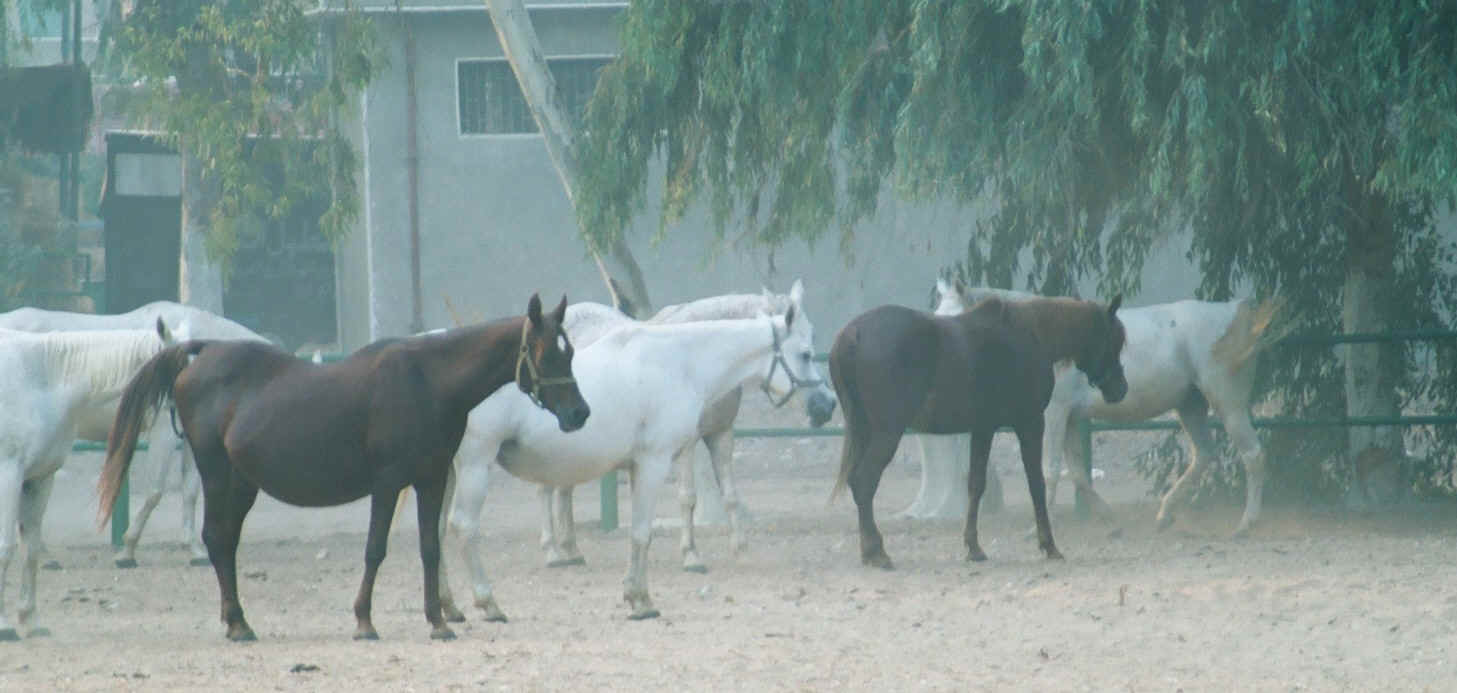
| Broodmares in El Zahraa | |
|
Under the control of stud managers as General Tibor von Pettko Szandtner of Babolna und Dr. Mohamed El Marsafi, El Zahraa experienced a renaissance of the Egyptian breed and a new period of prosperity began in 1950. These horsemen started to run a systematical breeding program based on the new scientific breeding theories using the old genetic heritage from the past. Through effective line breeding and careful selection of the stallions, they achieved to preserve the traditional and authentic type of the classic Egyptian Arabian horse and at the same time, the physical substance and correctness of the horses have been improved. The first exports to the United States in 1959 by Judith Forbis and between 1961 and 1965 by Douglas Marshal was the beginning of a worldwide recognition and a triumphal procession of the Egyptian Arabian horse. But in consequence of this trend a fateful exodus of superb horses to America and Europe began and initiated a tragic change in El Zahraa’s breeding program. In order to keep the breeding quality of El Zahraa, sales of this quantity and quality should never have been allowed. It’s hard to identify the reason of this policy. Was it ignorance, was it irresponsibility, was it the power of the money, was it the political situation or was it a combination of these?
|
|
 The
consequences are still visible. When I was watching the presentation of the
mares and stallions of El Zahraa I missed the real outstanding quality. El
Zahraa has still a stock of about 400 horses representing all the important old
Egyptian families. In many horses you still see gleaming through a touch of
that original nobles and glory but I couldn’t find the consolidation of
Arabian expression, type, harmony, substance, movement and correctness as an
integral. The
consequences are still visible. When I was watching the presentation of the
mares and stallions of El Zahraa I missed the real outstanding quality. El
Zahraa has still a stock of about 400 horses representing all the important old
Egyptian families. In many horses you still see gleaming through a touch of
that original nobles and glory but I couldn’t find the consolidation of
Arabian expression, type, harmony, substance, movement and correctness as an
integral.
|
|
|
A mare bred and owned by El Zahraa during the stud
presentation
|
|
| next page | |
| back to news | |